 (carepoint.1.2.0 - photographic 25)
Surgical and Acute Care Services
Anesthesia Technologist
Prepares anesthesia equipment, monitoring systems, airway supplies, and specialized technology for perioperative care.
The work and its responsibilities
An illustrative work example
The anesthesia team depends on equipment and supplies being ready for the procedure. Technical support includes preparation and communicating problems to the responsible professionals.
Actual duties depend on training, specialty, workplace, and applicable rules. Ask a working professional about the pace, physical demands, shift patterns, documentation, and less visible responsibilities of this role.
Education and verification
Associate degree is common.
What to verify: Program accreditation, clinical exposure, ASATT credential eligibility, call expectations, and employer requirements.
Ask for the exact entry requirements, supervised clinical arrangements, complete costs, and intended credential outcome. Verify eligibility with the responsible organization for your program, campus, delivery format, and intended state of work. Completion, examination eligibility, certification, and state authorization are separate questions.
Bring this question to the program
Ask about equipment experience, clinical supervision, and the exact credential recognized by local employers.
Surgical and Acute Care Services
Emergency Medical Technician
EMT
Provides basic prehospital assessment, stabilization, transport, and emergency medical care.
The work and its responsibilities
An illustrative work example
An emergency call involves a person, a location, and a changing situation. Assessment, communication, transport, and a clear handoff all contribute to continuity of care.
Actual duties depend on training, specialty, workplace, and applicable rules. Ask a working professional about the pace, physical demands, shift patterns, documentation, and less visible responsibilities of this role.
Education and verification
State-approved certificate program, often completed within several months.
What to verify: State EMS approval, psychomotor and clinical requirements, NREMT or state examination route, and local licensing.
Ask for the exact entry requirements, supervised clinical arrangements, complete costs, and intended credential outcome. Verify eligibility with the responsible organization for your program, campus, delivery format, and intended state of work. Completion, examination eligibility, certification, and state authorization are separate questions.
Bring this question to the program
Ask how field experience, physical demands, shift schedules, and state requirements are addressed.
Surgical and Acute Care Services
Paramedic
Provides advanced prehospital care including airway management, medication administration, cardiac intervention, and complex emergency decision-making.
The work and its responsibilities
An illustrative work example
A complex emergency requires teamwork under time pressure. The paramedic’s work connects advanced clinical skills with judgment, documentation, and transfer of care.
Actual duties depend on training, specialty, workplace, and applicable rules. Ask a working professional about the pace, physical demands, shift patterns, documentation, and less visible responsibilities of this role.
Education and verification
Certificate or associate degree after required foundational preparation.
What to verify: CAAHEP-accredited pathway where required for national eligibility, state approval, field internship, and licensure.
Ask for the exact entry requirements, supervised clinical arrangements, complete costs, and intended credential outcome. Verify eligibility with the responsible organization for your program, campus, delivery format, and intended state of work. Completion, examination eligibility, certification, and state authorization are separate questions.
Bring this question to the program
Ask about prerequisites, supervised field internship, exposure to varied calls, and state licensing requirements.
Surgical and Acute Care Services
Surgical Technologist
Scrub technologist
Prepares the sterile field, manages instruments and supplies, and anticipates operative-team needs.
The work and its responsibilities
An illustrative work example
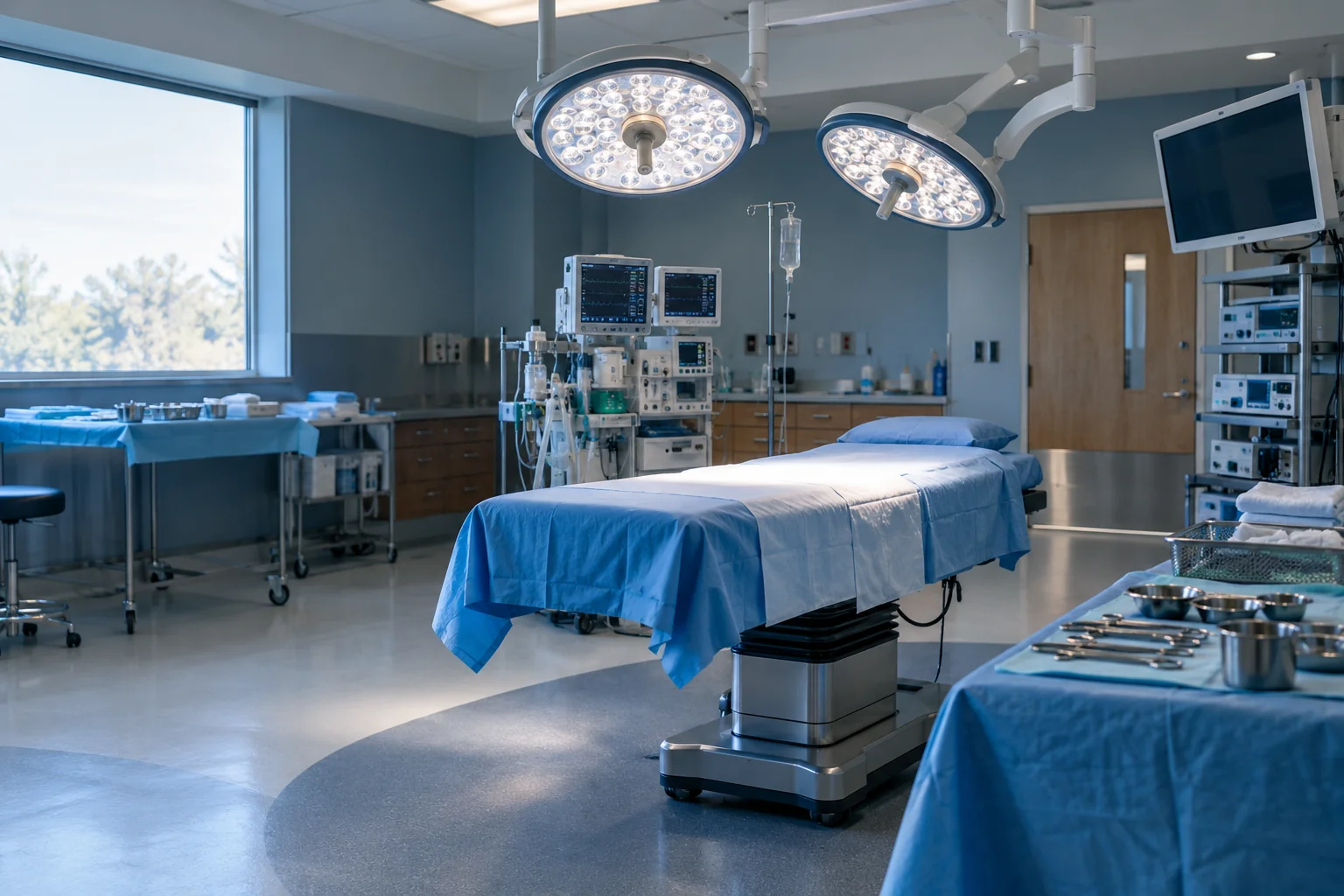
Before a procedure, the room and instrument setup must be ready. During the operation, sterile technique, counts, and team communication remain continuous responsibilities.
Actual duties depend on training, specialty, workplace, and applicable rules. Ask a working professional about the pace, physical demands, shift patterns, documentation, and less visible responsibilities of this role.
Education and verification
Certificate, diploma, or associate degree.
What to verify: Programmatic accreditation such as CAAHEP or ABHES, surgical case experience, credential eligibility, and state requirements.
Ask for the exact entry requirements, supervised clinical arrangements, complete costs, and intended credential outcome. Verify eligibility with the responsible organization for your program, campus, delivery format, and intended state of work. Completion, examination eligibility, certification, and state authorization are separate questions.
Bring this question to the program
Ask about supervised surgical cases, specialty exposure, sterile practice, and the program’s credential pathway.
Occupational reference: U.S. Bureau of Labor Statistics — Surgical technologists.
Compare the work, then the education.
Roles within the same field can involve very different patient contact, scientific preparation, responsibilities, and working hours. Choose the specific occupation you want to explore before comparing school names or advertised program lengths.
Record your unanswered questions about clinical experience, total cost, credentials, and the state where you intend to work. Program Selection will help you turn those questions into a practical comparison and recognize education practices that deserve scrutiny.
Continue toProgram Selection