 (carepoint.1.2.0 - photographic 10)
Allied health professionals and the people they serve
Allied health professionals often create the evidence a clinician needs, operate the technology that makes care possible, carry out treatment plans, restore function, respond during emergencies, and maintain the systems that keep patients moving safely through healthcare. These professions are not secondary to healthcare. They are part of its operating structure.
Our aspiration is a workforce that understands more than isolated tasks. Strong allied health professionals recognize why their work matters, how it affects the next member of the team, when a finding needs escalation, and where their own authority ends. Healthcare succeeds when each profession understands both its specialty and its connection to the patient’s complete course of care.
A personal note before you choose
The human reality
Entering allied health can be noble, exhausting, and deeply rewarding. The education marketplace surrounding it can also feel like a minefield. Some admissions environments are driven by enrollment targets, and a student’s sincere desire to help people can be used to create urgency before the student has verified the cost, outcomes, or professional pathway.
The deeper concern is an education built around short-term memorization rather than deductive reasoning. Remembering facts may help someone pass a multiple-choice test; it does not automatically teach them why those facts connect inside a living patient. In practice, that missing depth creates friction across the care team and can affect the person depending on it.
Protect your passion. Before handing over money or signing financing documents, shift from eager applicant to skeptical consumer. Ask difficult questions. Verify the answers independently. Choose the work and the pathway—not the brochure.
 (carepoint.1.2.0 - photographic 11)
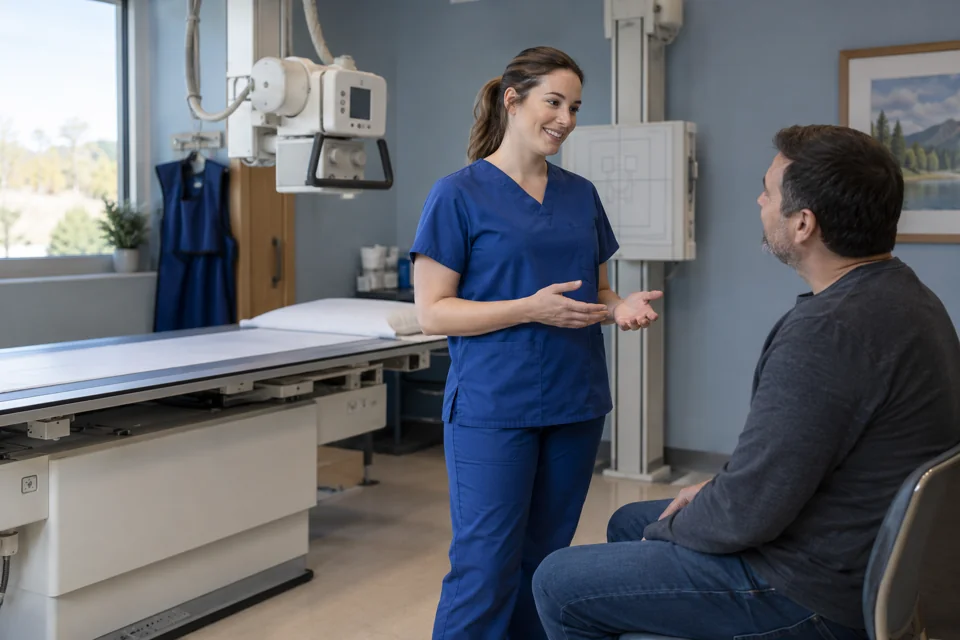
What happens when someone needs an X-ray?
The situation: A clinician needs a picture of an injured bone. The person taking that picture must explain the appointment and help the patient get into the right position.
The professional’s role: A technologist explains the appointment and helps the patient prepare. Communication is part of the job, even before a picture is taken.
Read about X-ray technologists →An everyday healthcare question
Where does a blood sample go after collection?
The situation: A clinician orders a blood test. A small amount of blood is collected in a tube and sent for testing. A sample, also called a specimen, is the material being tested.
The professional’s role: Laboratory staff use the appropriate equipment to test the sample, check the results, and record them for the care team. Looking at a tube alone does not reveal the test result.
Read about laboratory professionals →An everyday healthcare question
What if getting dressed becomes difficult?
The situation: After an illness or injury, a person may have difficulty with buttons, shoes, or other ordinary tasks. These activities can become goals for occupational therapy.
The professional’s role: An occupational therapy assistant helps a person practice everyday skills under an occupational therapist’s direction. The work connects a treatment plan to something the person wants or needs to do at home.
Read about occupational therapy assistants → (carepoint.1.2.0 - photographic 12)
Professions ( A - Z )
Browse one title at a time. Related professions open within their field guide. Medical Assistant, Clinical Medical Assistant, Administrative Medical Assistant, and Certified Medical Assistant appear separately because students encounter these different labels; all four lead to the same Medical Assisting guide, where the distinctions are explained.
Administrative Medical AssistantAdministrative work and patient access
Focuses on scheduling, records, communication, insurance workflows, and the administrative coordination of a medical office. The title does not by itself identify a certification or establish clinical preparation.
Anesthesia Technologist
Prepares anesthesia equipment, monitoring systems, airway supplies, and specialized technology for perioperative care.
Cardiographic TechnicianEKG technician
Obtains electrocardiograms and may support ambulatory monitoring or stress testing according to training and employer policy.
Cardiovascular TechnologistCath lab or invasive cardiovascular technologist
Supports diagnostic and interventional cardiac procedures, hemodynamic monitoring, and emergency response.
Certified Medical AssistantIdentify the exact credential and issuing organization
A title that requires a closer look at the credential behind it. CMA (AAMA) identifies the AAMA certification; other medical-assisting credentials have their own names and issuers. Verify the exact award and current status rather than assuming that similar wording means equivalent credentials.
Clinical Medical AssistantClinical support and patient preparation
Focuses on the clinical side of medical assisting, including patient preparation, recorded observations, and assistance within permitted responsibilities. A clinical job or program title alone does not identify an examination, credential issuer, or complete set of skills.
Computed Tomography TechnologistCT technologist
Produces cross-sectional X-ray imaging used extensively in trauma, emergency, oncology, and specialty care.
CytologistCytotechnologist
Examines cellular material for abnormalities associated with cancer, infection, and other disease processes.
Dental Hygienist
Provides preventive oral care, assessment, periodontal services, imaging, and patient education within state scope.
Diagnostic Medical SonographerUltrasound technologist
Uses sound waves to evaluate organs, vessels, soft tissue, and pregnancy.
Dispensing Optician
Interprets prescriptions and fits, adjusts, and dispenses eyeglasses or contact lenses where authorized.
Emergency Medical TechnicianEMT
Provides basic prehospital assessment, stabilization, transport, and emergency medical care.
Hearing Aid SpecialistHearing instrument specialist
Evaluates hearing for the purpose of selecting, fitting, programming, and servicing hearing instruments within state authority.
Histotechnician or Histotechnologist
Processes, embeds, sections, and stains human tissue so pathologists can evaluate disease.
Medical AssistantThe broader clinical and administrative occupation
Supports patient care and medical office operations. A workplace may combine clinical and administrative responsibilities or divide them between staff; investigate the actual duties, preparation, supervision, and evidence behind the title.
Medical Laboratory ScientistMLS
Performs and interprets complex testing across hematology, chemistry, microbiology, immunology, transfusion medicine, and molecular diagnostics.
Medical Laboratory TechnicianMLT
Performs routine and moderately complex laboratory testing and operates automated analyzers.
MRI Technologist
Uses strong magnetic fields and radiofrequency systems to create detailed cross-sectional images.
Neurodiagnostic TechnologistEND technologist
Records and monitors nervous-system activity through EEG and related studies used in epilepsy, surgery, sleep, and critical care.
Nuclear Medicine Technologist
Prepares and administers radiopharmaceuticals to evaluate physiology, image organ function, and support targeted therapy.
Nutrition and Dietetics Technician, RegisteredNDTR
Supports nutrition assessment, education, food-service systems, and care delivery with registered dietitian nutritionists.
Occupational Therapy AssistantOTA
Helps patients regain or adapt the daily activities needed for independence at home, work, school, and in the community.
Ophthalmic Medical Technician or Technologist
Performs diagnostic eye testing, documents findings, supports treatment, and assists with ophthalmic procedures.
Paramedic
Provides advanced prehospital care including airway management, medication administration, cardiac intervention, and complex emergency decision-making.
Phlebotomy Technician
Collects blood specimens safely, identifies patients correctly, protects specimen integrity, and responds to collection complications.
Physical Therapist AssistantPTA
Implements physical-therapy plans under a physical therapist to improve mobility, strength, and function.
Polysomnographic TechnologistSleep technologist
Conducts and monitors sleep studies used to evaluate breathing, movement, neurological, and sleep-wake disorders.
Radiologic TechnologistX-ray technologist
Operates ionizing-radiation equipment to produce diagnostic images of internal structures.
Recreational Therapist
Uses evidence-informed recreation and activity interventions to support physical, cognitive, emotional, and social functioning.
Respiratory TherapistRT
Manages airway care, mechanical ventilation, cardiopulmonary assessment, emergency support, and respiratory treatment.
Speech-Language Pathology AssistantSLPA
Supports speech, language, communication, and swallowing interventions under authorized supervision.
Surgical TechnologistScrub technologist
Prepares the sterile field, manages instruments and supplies, and anticipates operative-team needs.
Explore the fields of allied health
Use a field guide to study related professions together. Each guide brings their work, education routes, clinical realities, and questions for prospective programs into one place.
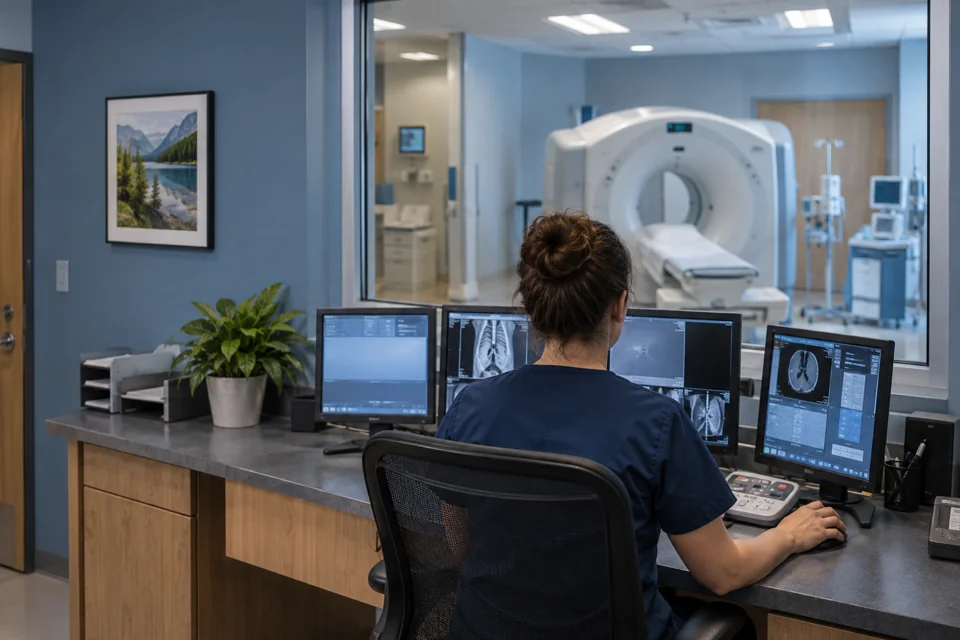 (carepoint.1.2.0 - photographic 13)Imaging and Diagnostic SciencesImaging professionals make pictures of the inside of the body to help answer a clinician’s questions. Start with familiar examples: an X-ray of an injured bone or an ultrasound examination. Different imaging methods require different equipment, training, and safety knowledge.→
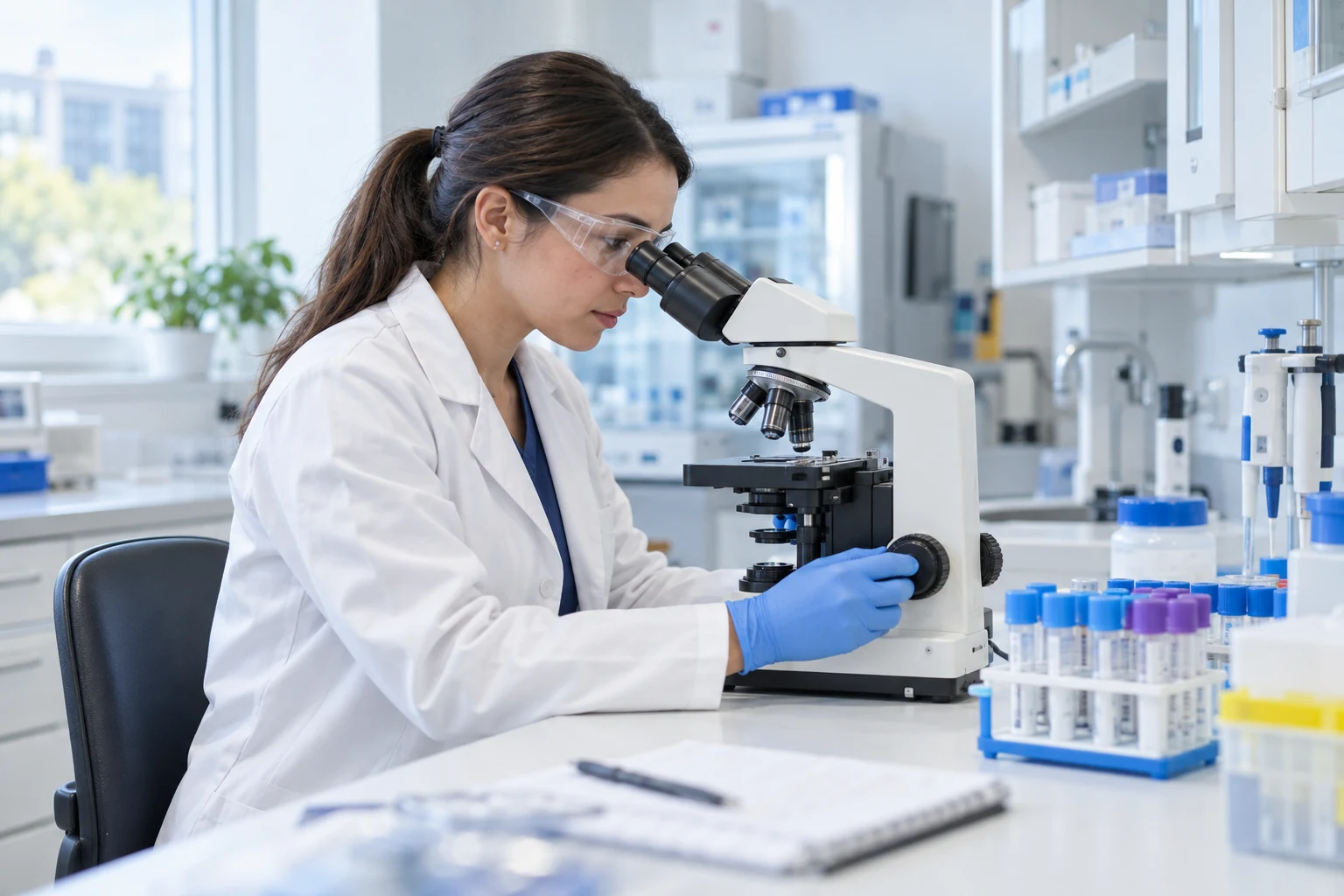 (carepoint.1.2.0 - photographic 14)Laboratory, Pathology, and Blood SciencesLaboratory professionals study small samples of blood, urine, cells, or tissue. Their work helps the care team learn what is happening inside a patient’s body. Some collect samples directly from patients; others prepare or test them in a laboratory.→
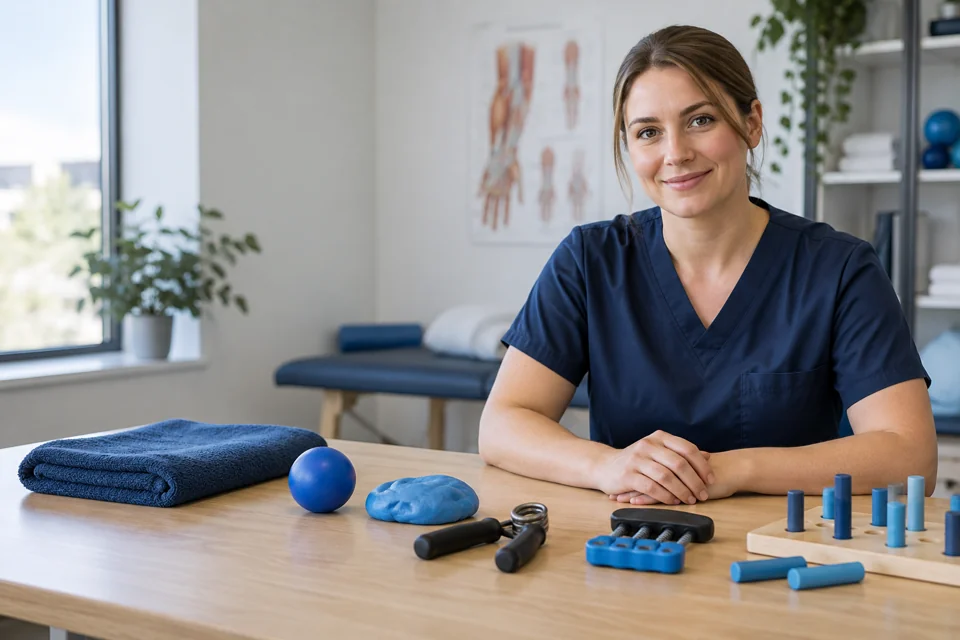 (carepoint.1.2.0 - photographic 15)Therapeutic, Rehabilitative, and Restorative SciencesThese professions help people breathe, move, communicate, and manage everyday activities. Examples include supporting someone as they learn to walk again or practice getting dressed. The goal, professional role, and required training differ across the fields.→
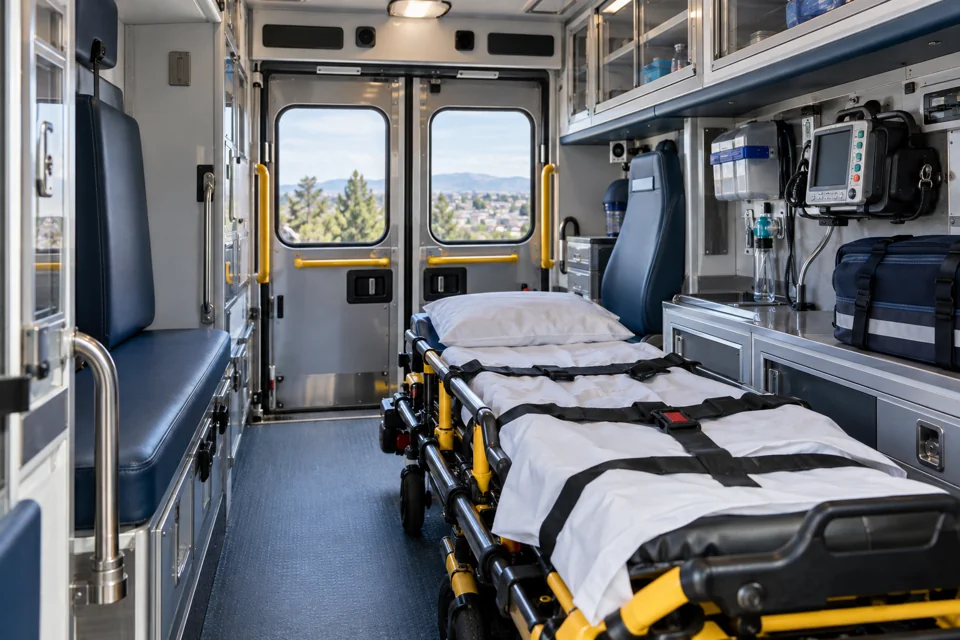 (carepoint.1.2.0 - photographic 16)Surgical and Acute Care ServicesSome allied health professionals prepare for and assist with surgery; others respond to emergencies in ambulances. Think of preparing the room and supplies before an operation, or helping a sick or injured person reach hospital care. Each role has its own training and limits.→
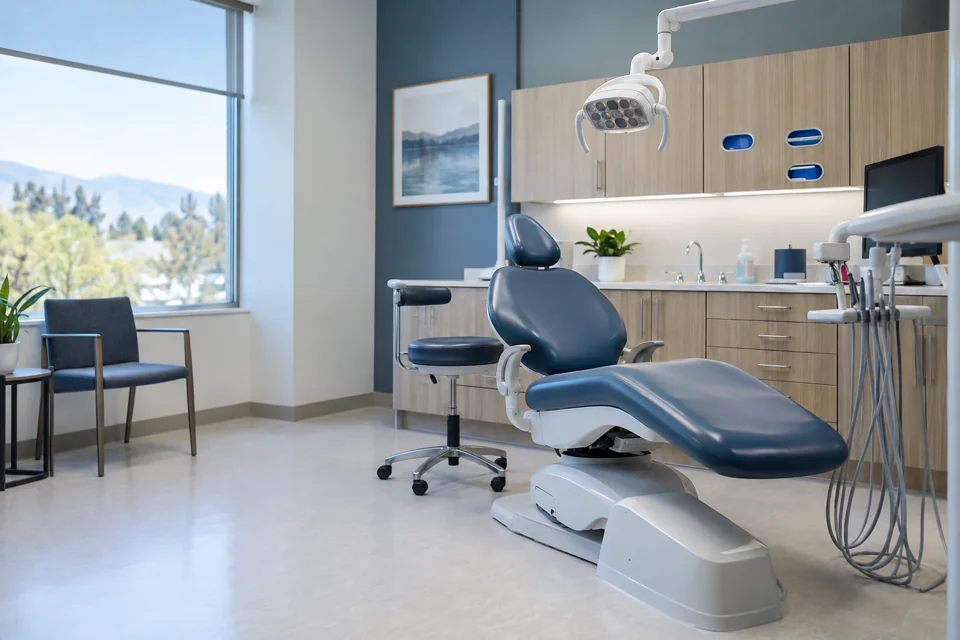 (carepoint.1.2.0 - photographic 17)Vision, Dental, and Specialized CareThese professions focus on teeth, eyes, hearing, and related devices. Familiar examples include a dental cleaning, measurements during an eye appointment, or fitting eyeglasses or hearing aids. Explore the role behind the service before comparing training programs.→
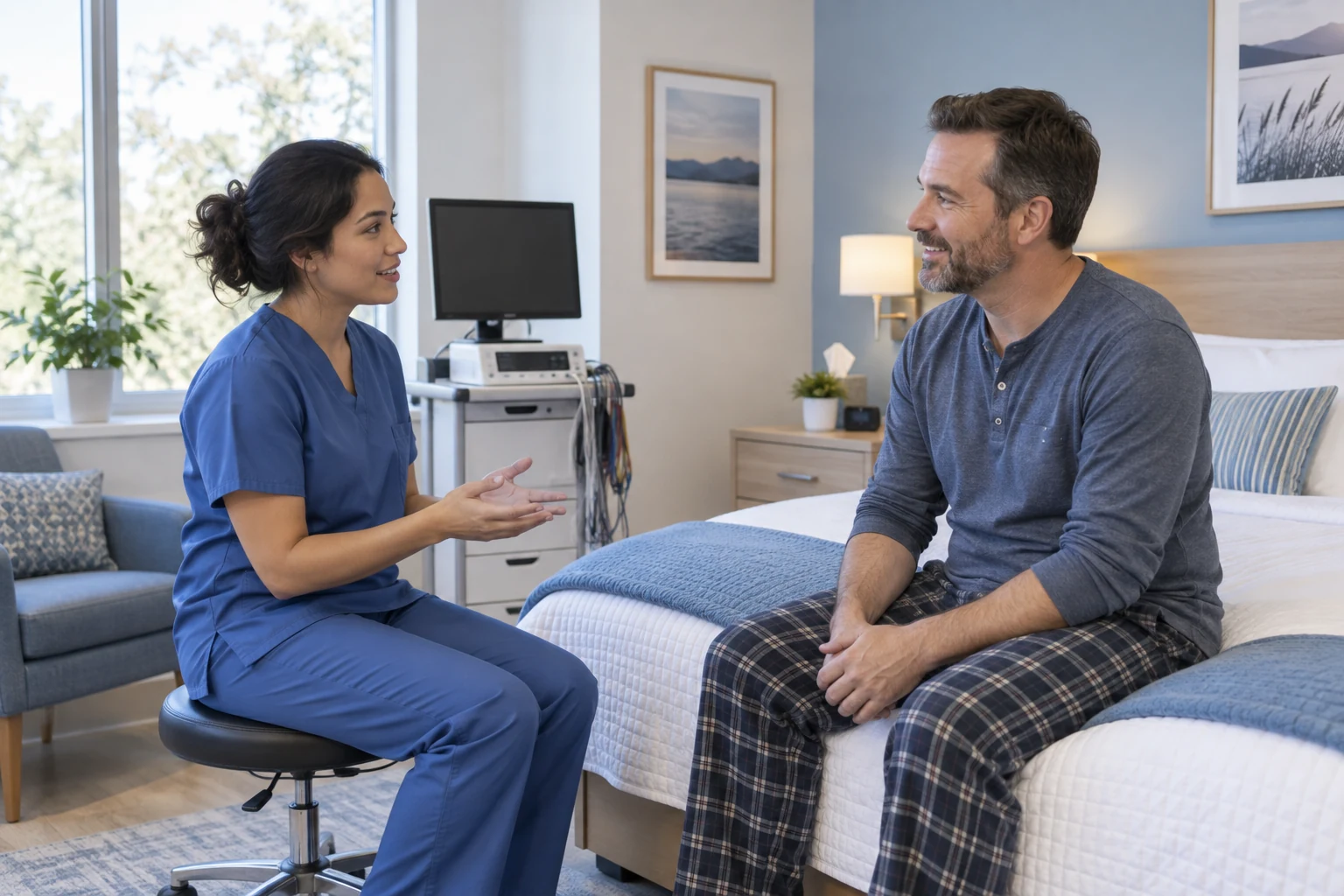 (carepoint.1.2.0 - photographic 18)Cardiac, Neurological, and Specialized TechnologiesThese professionals help record information about the heart, brain, nerves, or sleep. Examples include recording a heartbeat or monitoring someone overnight to investigate a sleep problem. Preparing a patient and making a reliable recording are different from interpreting the results.→
Choose a direction, then examine the education.
The profession you choose shapes the work you will do, the people you will serve, and the education you need. Begin with the responsibilities and environment that fit your interests, then investigate the specific requirements for that role. Interest is a starting point; the next step is to check how a program turns that interest into preparation.
Keep the professions you want to explore and the questions you still need answered. Program Selection will help you compare schools, recognize common education practices, and evaluate the costs, training, records, and outcomes before you commit.
Continue to the next pageProgram Selection